

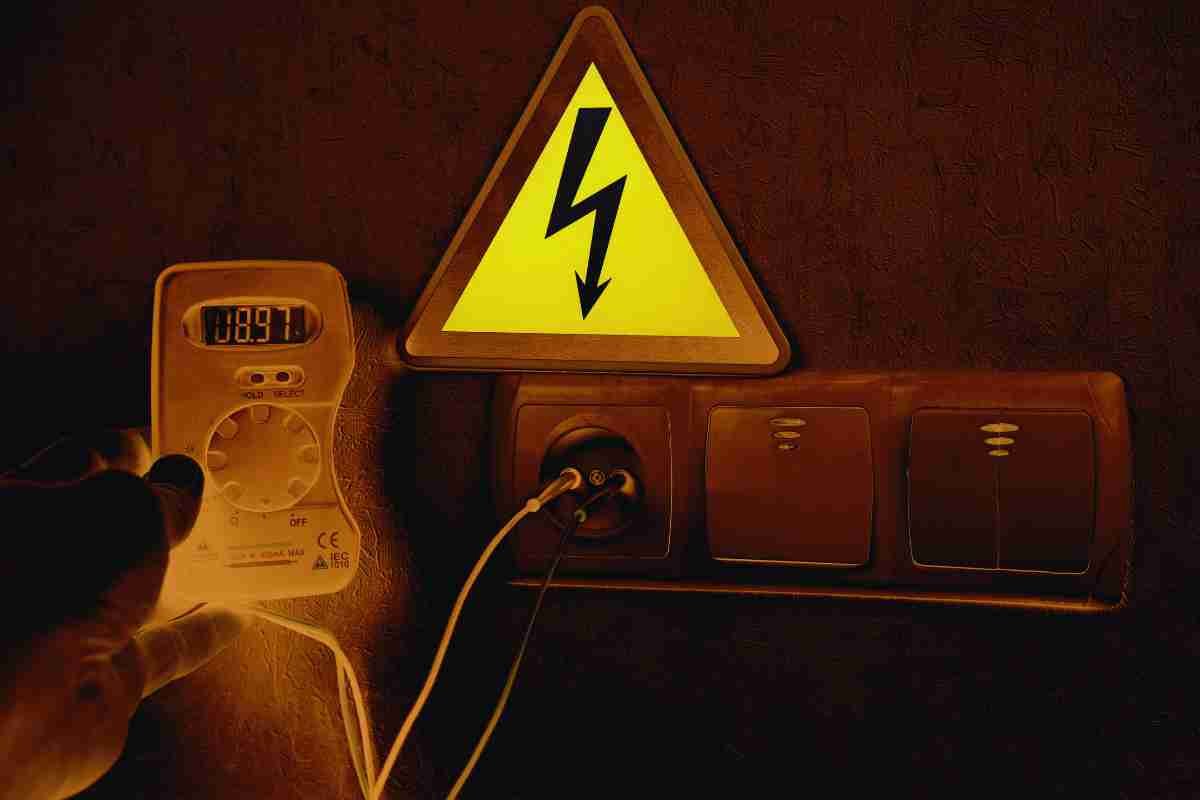
Electricity is something most homeowners rarely think about — until something goes wrong. In busy London boroughs like Wandsworth, where many properties range from Victorian terraces to modern flats, electrical systems often vary significantly in age and condition. Whether you live in a period home or a newer development, maintaining safe electrics is essential for protecting your property and family.
Understanding the basics of domestic electrical safety can help prevent costly repairs and dangerous incidents.
1. Don’t Ignore Flickering Lights or Tripping Circuits
It’s easy to dismiss flickering lights or a circuit breaker that trips occasionally. However, these are often early warning signs of overloaded circuits, loose wiring, or outdated components.
Frequent tripping typically indicates that your electrical system is struggling to cope with demand. Modern households use far more power than homes did even 20 years ago. Home offices, large televisions, kitchen appliances and electric showers all place strain on circuits.
If problems persist, it’s wise to consult professional Wandsworth electricians who can inspect your installation and identify the root cause before it becomes hazardous.
More information about local domestic services can be found here:
https://www.putneyelectricians.co.uk/areas-served/wandsworth-electricians/
2. Check the Age of Your Consumer Unit
Your consumer unit (often called a fuse board) is the heart of your home’s electrical system. Modern units include RCD (Residual Current Device) protection, which cuts power instantly if a fault is detected.
If your property still has an old-style fuse box with rewireable fuses, it may not provide adequate protection against electric shock or fire. Upgrading to a modern consumer unit significantly improves safety and ensures compliance with current UK wiring regulations (BS 7671).
Many older homes in Wandsworth benefit greatly from this simple yet important upgrade.
3. Avoid Overloading Sockets
Extension leads and multi-plug adaptors are common in homes with limited socket outlets. However, overloading sockets is one of the leading causes of electrical fires.
Avoid plugging high-powered appliances — such as kettles, heaters, or washing machines — into extension leads. If you constantly rely on adaptors, it may indicate that your property needs additional sockets installed by a qualified electrician.
Adding properly wired outlets is far safer than relying on temporary solutions.
4. Be Cautious with DIY Electrical Work
While painting or assembling furniture may be safe DIY tasks, electrical work carries serious risk. In the UK, certain electrical jobs fall under Part P Building Regulations and must be carried out or certified by a qualified professional.
Incorrect installations can lead to:
- Electric shock
- Fire hazards
- Invalidated home insurance
- Failed property surveys
For domestic rewiring, new circuits, or consumer unit upgrades, always use experienced professionals.
5. Schedule Regular Electrical Inspections
Electrical systems deteriorate over time. Cables can become brittle, connections may loosen, and safety devices can fail.
Homeowners are advised to have an Electrical Installation Condition Report (EICR) carried out every 10 years — or sooner if the property is older. If you are purchasing a home in Wandsworth, arranging an inspection before completion can prevent unexpected repair costs later.
Routine inspections help detect hidden faults before they escalate into serious problems.
6. Watch for Burning Smells or Discoloured Sockets
If you ever notice a burning smell, scorch marks around sockets, or unusually warm switch plates, switch off power at the consumer unit immediately and contact a qualified electrician.
These symptoms may indicate overheating wires or loose connections, both of which pose significant fire risks. Quick action can prevent major damage.
7. Consider Rewiring if Your Property Is Over 25 Years Old
Many properties in Wandsworth were built decades ago and may not have been fully rewired since construction. Electrical wiring typically has a lifespan of around 25–30 years.
Signs your home may require rewiring include:
- Limited number of sockets
- Outdated fuse board
- Fabric or rubber-insulated cables
- Frequent electrical faults
A full rewire may seem like a large project, but it dramatically improves safety, efficiency, and property value. Modern wiring also supports today’s technology demands and future upgrades such as EV chargers or smart home systems.
8. Outdoor Electrical Safety Matters Too
With gardens, patios, and outdoor lighting becoming increasingly popular, exterior electrics should never be overlooked.
Ensure outdoor sockets are weatherproof (IP rated) and protected by RCD devices. DIY outdoor wiring is particularly risky due to exposure to moisture.
Professional installation ensures compliance and durability.
Final Thoughts
Electrical safety isn’t just about compliance — it’s about peace of mind. Many issues develop gradually and remain hidden until they cause disruption or danger.
By staying alert to warning signs, upgrading outdated systems, and working with qualified Wandsworth electricians, homeowners can protect their property and loved ones for years to come.
For trusted domestic and rewiring services in Wandsworth, visit:
https://www.putneyelectricians.co.uk/areas-served/wandsworth-electricians/