

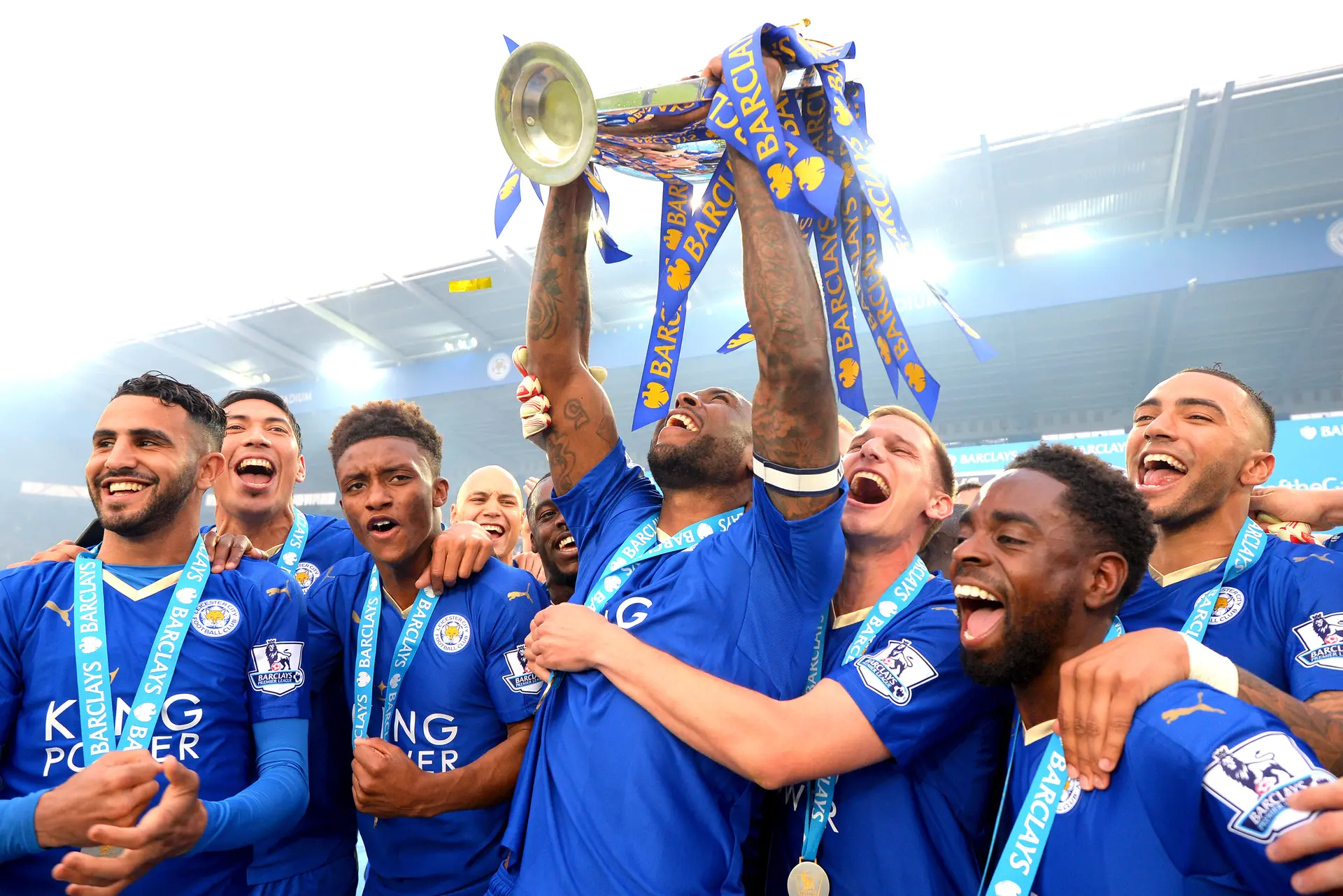
Every year, it happens like clockwork. A team that no one saw coming hits its stride, a player who was unknown before becomes a star, and the world is glued to an outcome that goes against the odds. These underdog stories are what make sports so interesting. They change the odds and rewrite the script, and they even get fans talking, especially those who use the best sports betting apps to keep track of the odds and probabilities. People remain emotionally invested in sports because of the possibility of an unlikely outcome.
It’s not uncommon for the underdog to win; in fact, it’s a common theme in the history of competition. Teams with fewer resources or lower expectations have repeatedly challenged the established hierarchy, whether in football leagues, the Olympics, or major tournaments. These stories endure because they show how being prepared, disciplined, and having the right opportunity can change the outcome of even the most unfair contests.
Part of what makes these moments so appealing is how they affect people mentally. Fans often cheer for the team that seems to have the worst chances of winning, maybe because those stories are similar to the struggles and goals people have in real life.
This is why the idea of an underdog epic winning has become a significant part of modern sports. They remind people that competition is never a sure thing and that even the strongest favorites must prove themselves on the field. These stories will endure long after the last whistle or buzzer. They are not only memorable outcomes but also reminders that the most exciting aspect of sports is their ability to still surprise us.
Historic Upsets That Changed the Sports Narrative
The idea is not to talk about minor upsets, of which we could find millions of examples. Throughout history, sports have given us moments that could truly be considered “one in a million.” Moments when fans around the world will forever remember where they were when the upset happened. From the boxing fight that changed the course of the sport to the most improbable championship in the history of English football. From stories of redemption to rebuilding processes that transformed a franchise overnight. The goal is to talk about pure history—and why those moments will live forever in the collective memory of sports fans.
Leicester City Wins the Premier League (2016)
If we go back to 2016, what happened in England’s Premier League is something we will almost certainly never see again. In 2014, Leicester City, a modest English club, achieved the feat of reaching the Premier League, the country’s top tier. By 2015, their only goal was to avoid relegation, and they managed to stay up by the slimmest of margins—on the final matchday and thanks to a combination of results.
Heading into the 2016 season, expectations were far from optimistic. However, led by Italian manager Claudio Ranieri and with Jamie Vardy setting the pace on the pitch, the team accomplished what no one could have imagined. Leicester City were crowned Premier League champions in a season for the ages. To put it into perspective, at the start of that campaign, bookmakers gave them 5,000-to-1 odds of winning the title—the ultimate underdog story.
Buster Douglas Defeats Mike Tyson (1990)
There was a time when “Mike Tyson” was synonymous with destruction. An invincible fighter, with a fury never seen before and fists powerful enough to knock out opponents who outweighed him and towered over him in size. When he stepped into the ring, the question was never whether he would win, but rather how many seconds it would take before he delivered another brutal knockout.

Mike Tyson’s defeat is one of the greatest upsets in sports history. (Picture: X / HVYWeightHeroes)
In February 1990, his opponent was Buster Douglas, a solid fighter, but one who did not seem capable of challenging Tyson. The betting odds favored Mike 42 to 1, and at first it seemed the prediction would hold true, as Douglas was knocked down in the eighth round. However, just a few minutes later, in the tenth round, the miracle happened. Tyson absorbed a relentless combination of punches and was knocked out. The myth had collapsed, and the sport had just witnessed what many still consider the greatest upset in boxing history.
UMBC Defeats Virginia in the NCAA Tournament (2018)
March Madness is, by definition, a tournament built for chaos, but in 2018, the world witnessed a shock that surpassed even the wildest expectations. The University of Maryland, Baltimore County (UMBC), a No. 16 seed, arrived as the presumed victim against the Virginia Cavaliers, the tournament’s No. 1 overall seed.
In sports, miracles do happen, and upsets are the fuel that keeps fans hopeful year after year—but this one was the mother of all surprises. UMBC not only became the first No. 16 seed ever to defeat a No. 1 seed in the history of the tournament, but they also did so with an authority never seen before, defeating Virginia 74–54 with a stunning 20-point margin in what became a legendary night in the history of March Madness.
Atlanta Braves’ Worst-to-First Turnaround (1991)
More than just an upset, what unfolded in Atlanta in 1991 was a true redemption story. The Atlanta Braves had been a team trapped in a losing cycle. Over the previous six seasons, they had finished last in their division five times, and since 1988, they had recorded at least 97 losses per season. One of the worst teams in the nation.
By 1991, however, supported by a pitching rotation that would arguably become one of the greatest of all time, the team transformed dramatically. They quite literally went from the depths to the heights, with names like Greg Maddux, Tom Glavine, and John Smoltz on their roster. From being the worst team in their division, they surprisingly captured the division title that year and advanced all the way to the World Series, which they ultimately lost in dramatic fashion in a memorable Game 7 still remembered by fans today.

Tom Glavine, John Smoltz, and Greg Maddux. (Picture: X / Braves)
From that moment on, the franchise dominated its division, winning the title in 14 of the next 15 seasons, though that dominance ultimately yielded just one World Series championship. But at least in 1991, when no one expected it, the Atlanta Braves were the ultimate baseball underdog.
Why Tournament Structures Often Create Underdog Opportunities
Sports leagues and tournaments are businesses, and, in general, they are designed to capture fans’ attention. When surprises disappear, and results become predictable, fan interest tends to decline. There are many examples of this: the dominance of Schumacher, Hamilton, or Verstappen in Formula 1; or the Scottish football league, where Celtic and Rangers have shared every championship since the 1985–1986 season.
For this reason, even from the way competitions are structured, formats are often designed to allow room for surprises. Winner-takes-all matches, where a single great performance can change everything, or tournaments like England’s FA Cup, where lower-division teams have the chance to face—and sometimes shock—the biggest clubs in the country.
Fans will almost always feel a natural affinity for the underdog, and they are drawn to stories of resilience or unexpected victories where obstacles had to be overcome to reach the top. And as long as sports continue to give us these stories, fans will always be there to enjoy them—and to keep cheering for the timeless heroes of the game.