

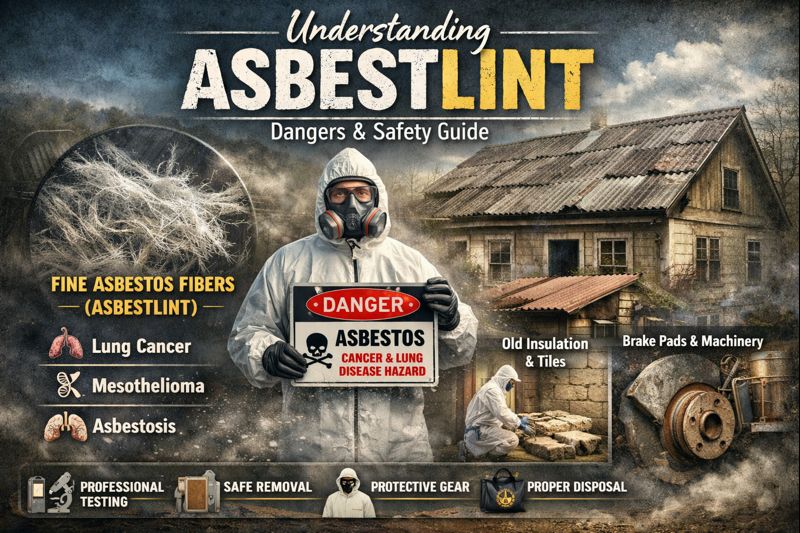
Asbestos is a name that many people fear because of its harmful effects. But what happens when it turns into asbestlint? If you’ve ever heard this term before and wondered what it means, this guide will take you through the essential details of asbestlint—its dangers, where it can be found, and how to safely handle it. Whether you’re dealing with renovations, old buildings, or simply curious, understanding asbestlint is crucial for your health and safety.
What Does “Asbestlint” Mean?
The term “asbestlint” is a combination of the words asbestos and lint. Asbestos, a naturally occurring mineral, has been used for many years in a variety of products due to its fire-resistant properties. “Lint” refers to a fine, thread-like material, which is why asbestlint often describes very fine, fiber-like asbestos particles that can be dangerous when inhaled.
Breaking Down the Word “Asbestlint”
- Asbestos is the mineral that has been used in construction, insulation, and other materials for its resistance to heat and fire.
- Lint refers to fine, fluffy fibers or particles. In this case, asbestlint represents asbestos that has broken down into small, hazardous fibers.
It’s important to note that asbestlint is not a product you can buy in a store. It’s a term used to describe the asbestos fibers that break off from larger asbestos materials, such as insulation or roofing materials, over time. These fine particles can become airborne and are a significant health risk when inhaled.
Asbestlint vs. Standard Asbestos
The key difference between asbestlint and standard asbestos is the form in which it appears. Regular asbestos is often found in solid, unbroken materials, such as insulation or cement. But over time, especially when these materials deteriorate, asbestos can break into tiny fibers, creating asbestlint. These fibers are so small they can easily be inhaled, making them far more dangerous than large, unbroken asbestos.
How Asbestlint Was Used: Applications & Common Places Found
Asbestos was historically used in a wide variety of industries, primarily for its heat resistance. In this section, we’ll explore how asbestlint was used in the past and where it might still be found today.
Industrial and Construction Uses
- Asbestos was frequently woven into fabrics, ropes, and tapes for high-temperature applications. Asbestos tape (also known as asbestlint) was often wrapped around pipes, ducts, and electrical cables to insulate them against heat and fire.
- It was also commonly used in cement, tiles, roofing materials, and automotive parts like brake pads, making it a valuable material for construction and manufacturing industries.
Where Asbestlint Might Still Be Found Today
While asbestos use is now banned in many countries, older buildings, factories, and machinery may still contain asbestlint. Common places where asbestlint can be found include:
- Old Insulation: Particularly in homes built before the 1980s, insulation materials in attics or around pipes may contain asbestos.
- Roofs & Siding: Older roofing materials, especially corrugated cement sheets, may release asbestlint if damaged or weathered.
- Floor Tiles & Vinyl Flooring: Asbestos was also used in some vinyl flooring products and tiles. When these materials are disturbed, they can release dangerous fibers.
- Automotive Parts: Asbestos was commonly used in brake linings, clutches, and gaskets until it was phased out in the late 20th century.
Visual Identification (What Asbestlint Looks Like)
Asbestlint, being a fine fiber, is not visible to the naked eye unless it has been disturbed. When it is airborne, it may appear as a fine, dust-like substance. In its solid form, asbestlint may look similar to other fibers or dust, so professional testing is necessary for accurate identification.
Why Asbestlint Is Dangerous – Health Risks Explained
Asbestlint is particularly dangerous because it contains asbestos fibers that can easily become airborne and inhaled. Once inhaled, these fibers can lodge in the lungs and cause long-term health issues. In this section, we’ll take a closer look at the health risks associated with asbestlint exposure.
How Asbestlint Fibers Become Hazardous
When asbestos materials deteriorate or are disturbed, the fibers can become airborne. These fibers are microscopic and can be inhaled without notice. Once in the lungs, they can cause inflammation, scarring, and even lead to the development of serious diseases.
Serious Health Conditions Linked to Asbestos Exposure
- Asbestosis: A chronic lung disease caused by long-term exposure to asbestos fibers. It leads to scarring of the lung tissue and difficulty breathing.
- Lung Cancer: Prolonged exposure to asbestlint is a known cause of lung cancer, which often doesn’t show symptoms until years after exposure.
- Mesothelioma: A rare and aggressive cancer that affects the lining of the lungs, abdomen, or heart. Mesothelioma is strongly linked to asbestos exposure and is often diagnosed decades after initial contact.
Symptoms to Watch For After Exposure
- Difficulty breathing
- Persistent cough
- Chest pain
- Weight loss
- Fatigue
These symptoms often appear years after exposure, which is why it’s important to monitor your health, especially if you’ve worked around asbestos-containing materials in the past.
How to Identify and Test for Asbestlint
If you suspect you have encountered asbestlint in your home or workplace, it’s crucial to know how to safely identify it and confirm its presence.
When to Suspect Asbestlint in Your Home or Workplace
If you live or work in an older building (especially one built before the 1980s), it’s important to be aware of the risks of asbestlint. Renovations, wear and tear, or even a small disturbance can release asbestos fibers into the air.
Common signs that asbestlint may be present include:
- Deteriorating insulation
- Cracked or worn roofing materials
- Damaged tiles or flooring
Professional Inspection vs. DIY
While it might be tempting to test for asbestlint yourself, this is never a good idea. Professional asbestos testing requires specialized equipment to ensure safe collection and analysis. Inhaling even small amounts of asbestos dust can be dangerous.
What Happens During an Asbestos Test
During an asbestos test, a certified professional will collect samples of the suspected material. These samples are then sent to a laboratory, where they are analyzed for the presence of asbestos fibers. Testing is the only way to confirm whether or not the material contains dangerous fibers.
Safe Handling, Removal & Abatement of Asbestlint
If you discover asbestlint in your home or workplace, it’s important to handle it properly to avoid releasing harmful fibers into the air.
Legal Regulations Around Asbestos Handling
Most countries have strict regulations regarding the handling and removal of asbestos. These laws require that only trained professionals handle and remove asbestos-containing materials to ensure the safety of workers and the public.
What Not to Do: Common Mistakes That Release Fibers
- Dry sweeping: Sweeping asbestlint can disturb the fibers and send them into the air.
- Sanding: Sanding asbestos-containing materials will break them down and release dangerous dust.
- Unprotected removal: Handling asbestos without proper protective gear, such as masks and suits, increases the risk of exposure.
Safe Removal Techniques and Best Practices
- Containment: Professional asbestos abatement involves sealing off the area to prevent contamination.
- Personal Protective Equipment (PPE): Workers wear full protective gear to avoid inhaling fibers.
- Proper Disposal: Asbestos materials must be disposed of at certified facilities to prevent further contamination.
Alternatives to Asbestlint & Modern Safe Materials
Asbestos has been largely replaced in modern materials due to its dangers. Here are some safe alternatives to asbestlint:
Replacement Materials for Insulation and Heat Protection
- Fiberglass: A safe alternative that provides excellent insulation without the risks of asbestos.
- Mineral Wool: Used in fire-resistant materials, providing a safer solution for insulation and heat protection.
- Silicone and Foil Tapes: Often used for sealing and insulating without the health risks of asbestos-based products.
Why Asbestlint Was Replaced
Due to its severe health risks, asbestos was phased out in many countries starting in the late 20th century. Modern materials are safer and just as effective for heat resistance and insulation.
Frequently Asked Questions About Asbestlint
1. Is asbestlint still used today?
No, asbestlint is no longer used in most countries due to its harmful effects. However, older buildings and machinery may still contain it.
2. How do I know if my house has asbestlint?
If you live in an older home, particularly one built before the 1980s, you should have it inspected by professionals if you suspect asbestos.
3. Can I remove asbestlint myself?
No, asbestos removal requires trained professionals due to the risks involved. DIY removal is dangerous and illegal in many areas.
4. What should I do if I find asbestlint?
Leave the area undisturbed and contact a licensed asbestos abatement professional for proper removal.
5. How long does it take for asbestlint to affect my health?
Health issues from asbestos exposure often take years or even decades to manifest, making early detection and prevention crucial.
Conclusion – Staying Safe Around Asbestlint
Asbestlint, like other forms of asbestos, poses significant health risks. Understanding its dangers, knowing how to identify it, and ensuring proper removal are crucial for keeping your home or workplace safe. If you suspect asbestlint, always seek professional help. Remember, it’s better to be safe than sorry when it comes to asbestos exposure. Stay informed, stay protected, and always prioritize safety when dealing with any potential asbestos material.
Read More: Foullrop85j.08.47h Gaming