

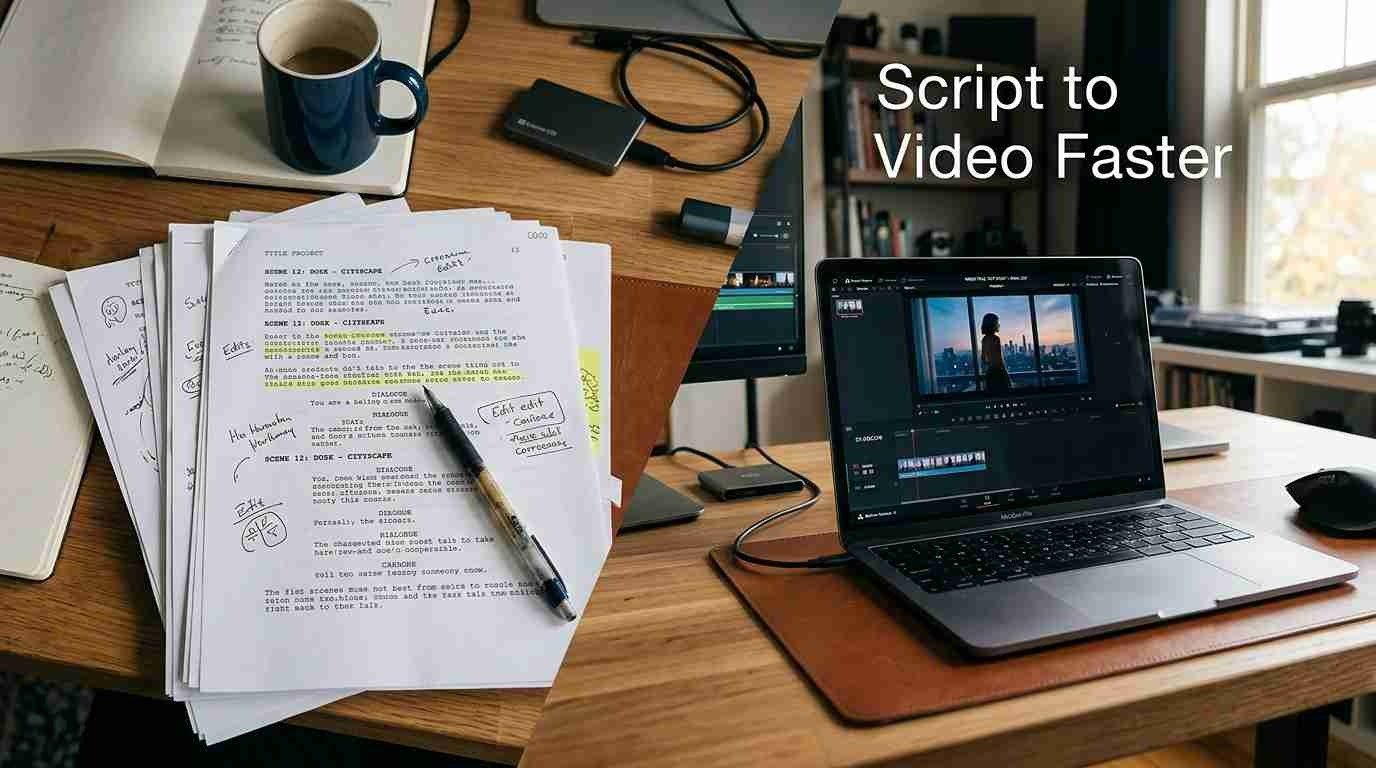
Creating a video used to be a time-intensive process. From writing scripts and planning shots to filming, editing, and finalizing output, each step required effort, coordination, and often specialized skills. For creators and teams working under tight deadlines, this process could take hours or even days for a single piece of content.
In 2026, this workflow is being redefined. With the rise of the ai video generator, creators are now able to move from concept to finished video much faster, without sacrificing quality or creative control.
The Traditional Workflow Challenge
To understand the impact, it is important to look at how video production traditionally worked.
A typical process involved scripting the idea, setting up equipment, capturing footage, editing clips, adding sound, and refining visuals. Each step depended on tools, resources, and often multiple people.
This made video creation:
- Time consuming
- Resource heavy
- Difficult to scale
For creators who needed to produce content regularly, this created a bottleneck. The more content required, the more time and effort needed to keep up.
Turning Ideas into Visual Output Faster
Modern AI video tools are changing this by compressing multiple steps into a single workflow.
Instead of manually executing every stage, creators can now describe their idea and let AI handle the production. A well-designed ai video generator allows users to convert scripts into visual scenes, define motion, and generate output within minutes.
This shift is not just about speed. It is about removing friction between idea and execution.
Creators can now test concepts quickly, refine them, and produce final content without going through the traditional production cycle.
Script to Scene Without Complex Setup
One of the most valuable changes is the ability to move directly from script to scene.
Instead of planning every shot manually, creators can input a concept or prompt and generate a visual representation instantly. This makes it easier to experiment with storytelling, explore different creative directions, and finalize content faster.
Platforms like Higgsfield support this workflow by allowing creators to define scenes using text, control visual elements, and even use image references to guide the output.
This eliminates the need for complex setups while still maintaining a structured creative process.
Greater Control Over Motion and Composition
Speed alone is not enough if creators lose control over the final output. That is why modern tools are focused on combining automation with precision.
Creators can now influence:
- Camera angles
- Scene composition
- Motion and pacing
- Visual consistency
For example, features such as motion control and frame-level adjustments allow creators to guide how a scene evolves rather than relying on random outputs.
Some platforms also simulate real camera behavior. With tools like Cinema Studio, creators can experiment with focal length, lens styles, and multi-axis movement to achieve more cinematic results.
This level of control ensures that faster production does not mean lower quality.
Editing and Iteration Without Restarting
Another major advantage is the ability to edit and refine content without starting from scratch.
In traditional workflows, even small changes could require re-editing or reshooting footage. This added time and complexity to the process.
AI-powered tools allow creators to:
- Modify existing videos
- Adjust styles and elements
- Refine motion and timing
This makes iteration much faster and more efficient. Creators can continuously improve their content without repeating the entire workflow.
Access to Multiple Models in One Workflow
Modern video creation is no longer limited to a single generation engine.
Many platforms now provide access to multiple AI models within one workspace. Each model may offer different strengths, such as realism, speed, or advanced scene generation.
This allows creators to choose the best approach for their specific needs without switching tools or restarting projects.
Having this flexibility within a single system saves time and improves creative output.
Scaling Content Production Efficiently
For creators, marketers, and businesses, the ability to scale content is critical.
AI video tools make it possible to produce more content in less time. Instead of focusing on one video at a time, creators can generate multiple variations, adapt content for different platforms, and maintain a consistent publishing schedule.
This is especially valuable for:
- Social media campaigns
- Product marketing
- Educational content
By reducing the time required for production, creators can focus more on strategy and audience engagement.
Reducing Dependency on Resources
Traditional video production often required access to equipment, software, and skilled professionals. This made it difficult for individuals and small teams to compete.
AI has reduced this dependency significantly.
With modern tools, creators can produce high-quality videos using prompts, references, and simple inputs. There is no need for cameras, studios, or complex editing setups.
This opens up opportunities for a wider range of creators and allows more people to participate in content creation.
A More Efficient Creative Process
The biggest impact of AI video tools is the overall improvement in efficiency.
Creators can now:
- Move from idea to output quickly
- Test and refine concepts easily
- Maintain quality while increasing speed
This leads to a more flexible and productive workflow.
Instead of being limited by time and resources, creators can focus on creativity, storytelling, and innovation.
Conclusion
The journey from script to screen has traditionally been one of the most time-consuming aspects of content creation. In 2026, that is no longer the case.
With the help of an ai video generator, creators can produce high-quality videos faster, refine their ideas more easily, and scale their output without increasing effort.
This shift is not just improving efficiency. It is changing how content is created, making video production more accessible, flexible, and aligned with the demands of modern digital platforms.
As AI continues to evolve, the gap between idea and execution will continue to shrink, giving creators more time to focus on what matters most, bringing their ideas to life.