

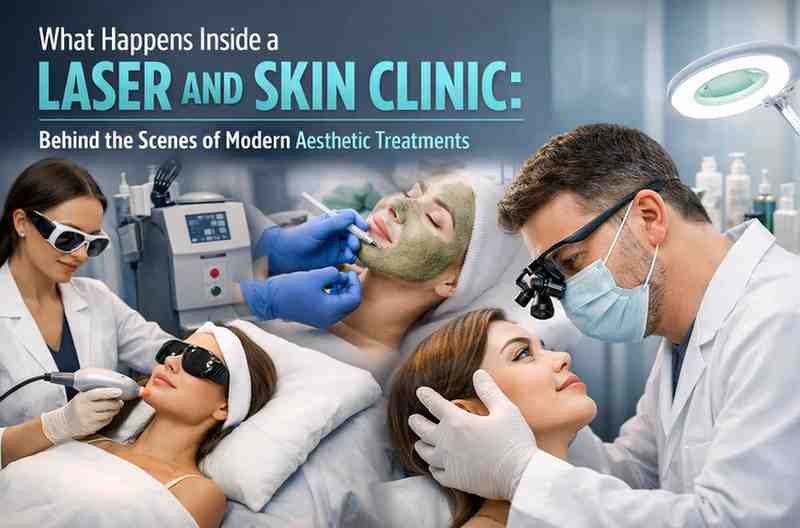
For many patients, a visit to a laser and skin clinic can feel simple from the outside. You book an appointment, arrive at reception, go into a treatment room, and leave with aftercare instructions. But behind that smooth experience is a more structured process involving consultation, screening, treatment planning, device selection, risk management, and follow-up. That matters because modern aesthetic treatments are not just beauty services in the casual sense. The American Academy of Dermatology notes that cosmetic procedures still carry risks and that proper consultation is a key part of safe decision-making, while Australian guidance sets expectations for health practitioners performing non-surgical cosmetic procedures.
Understanding what happens behind the scenes helps patients ask better questions and choose more confidently. It also makes it easier to separate professional clinics from businesses that focus more on selling treatments than explaining them. Whether someone is booking laser hair removal, pigmentation work, vascular treatments, skin needling, or peels, the quality of the internal process usually tells you more than the marketing headline does. VicLaser’s own treatment pages reflect that broader clinic model, with laser hair removal sitting alongside skin treatments such as pigmentation work, vascular treatments, needling, peels, and LED therapy rather than existing as a single isolated service.
The Process Starts Before You Enter the Treatment Room
The most important work in a modern clinic often begins before any device is switched on. A proper consultation should not feel like a formality. Mayo Clinic says laser hair removal consultations typically review medical history, medication use, prior hair removal methods, risks, benefits, expectations, and costs. The AAD similarly emphasizes that patients should ask questions before treatment and understand preparation requirements in advance.
That first step matters because suitability is not identical for everyone. Factors such as skin tone, hair colour, sun exposure, medication use, and scarring history can change how a treatment should be approached. For laser-based procedures in particular, those details are not small print. They influence both safety and results. A clinic that takes consultation seriously is usually trying to reduce avoidable complications before they happen rather than reacting afterward.
Screening, Consent, and Treatment Planning
Behind the scenes, modern clinics are also making practical decisions about whether the planned treatment is actually appropriate. Australian guidance for non-surgical cosmetic procedures sets expectations around practitioner competence, informed decision-making, and patient safety. In simple terms, that means treatment should be recommended because it suits the patient, not because it fills the diary.
This stage often includes clarifying what the treatment can realistically do, what it cannot do, and whether it should be delayed. For example, the AAD advises avoiding tanning and sunless tanners before laser hair removal, and recommends daily broad-spectrum SPF 30+ sunscreen. Mayo Clinic also notes that patients are commonly told to avoid plucking, waxing, and electrolysis for several weeks before treatment because those methods remove the follicle the laser is meant to target. These steps may sound basic, but they are a big part of what clinics manage quietly behind the scenes to improve the odds of a good outcome.
What Happens in the Treatment Room
Once a patient enters the treatment room, the experience may feel quick, but the workflow is still deliberate. The treatment area is typically reviewed, cleansed, and prepared. The clinician then works according to the planned settings and treatment goal rather than improvising on the spot. In laser hair removal, the core principle is to target pigment in the follicle so that future growth is reduced over time. Mayo Clinic explains that laser hair removal is not usually a one-session result and often requires a series of treatments spaced over time.
A good clinic also pays attention to what should not be treated casually. Mayo Clinic notes that laser hair removal is not recommended for eyelids, eyebrows, or surrounding areas because of the possibility of severe eye injury. That is a reminder that even treatments marketed as routine still depend on boundaries, protocols, and proper judgment. Professional clinics are not just offering a service. They are also deciding where caution is necessary.
Modern Aesthetic Clinics Are Usually Multi-Treatment Environments
Many patients still think of these businesses as hair-removal-only spaces, but that is no longer accurate for many clinics. A modern clinic may combine laser hair removal with skin-focused treatments aimed at concerns such as pigmentation, vascular visibility, skin texture, or general rejuvenation. On VicLaser’s current treatment categories, skin offerings include pigmentation treatments, vascular or capillary treatments, skin needling, enzyme therapy, peels, microdermabrasion, and LED light therapy.
That matters because the consultation process often involves matching the concern to the right category of treatment rather than assuming every skin issue needs the same device. Someone asking about unwanted hair has a different pathway from someone asking about pigmentation or skin texture. From a patient perspective, this is one of the main reasons the “behind the scenes” part is so important. Good clinics are not just processing appointments. They are sorting patients into the right treatment logic before the appointment becomes a procedure.
Price Questions Are Part of the Professional Process
One of the most common patient questions is cost, and that should be part of the conversation early. Transparent clinics usually explain whether treatment is priced by area, by session, or by package. Mayo Clinic includes cost among the standard points that should be covered in consultation, and current VicLaser pricing pages show that laser hair removal is often structured by treatment area with multi-treatment purchase options rather than one universal fee.
That is why patients who want to understand how much is laser hair removal should look beyond the first promotional number they see. A more useful comparison is whether the quote is for one area or multiple areas, whether it depends on prepay terms, and whether the clinic explains how many sessions are likely to be needed. On the current Melbourne pricing page, for example, multiple body areas and package structures are listed, including full body and combination treatments with minimum purchase terms.
Aftercare Is Not an Afterthought
Another part patients do not always see is how much of the result depends on what happens after treatment. Mayo Clinic says temporary irritation such as redness and swelling can occur after laser hair removal, and the AAD’s preparation and safety guidance makes clear that following instructions reduces the chance of side effects. That means aftercare is not just a polite closing script at reception. It is part of the treatment itself.
Clinics that work professionally tend to treat aftercare as an extension of the procedure. They explain what is normal, what to avoid, and when to follow up. They also frame results realistically. Laser hair removal, for instance, is usually a course of treatment rather than a one-visit fix. Setting that expectation is one of the clearest signs that a clinic is focused on patient understanding rather than instant gratification.
What Patients Should Take From All This
The real story inside a modern clinic is not just technology. It is a process. Consultation, suitability checks, treatment planning, pricing clarity, procedural caution, and aftercare all work together to shape the patient experience. When those pieces are strong, the clinic usually feels calm, informed, and credible. When they are weak, even the most impressive treatment menu can become less trustworthy.
That is why the best way to judge a clinic is not by how polished the waiting room looks or how many services appear on the website. It is by whether the business can explain what happens before, during, and after treatment in a way that makes sense. VicLaser positions itself around that more established clinic model, describing itself as one of Melbourne’s more experienced laser and skin providers, with complimentary consultations and a broad treatment offering. For patients, that kind of structure is what usually turns a cosmetic appointment into a more informed and safer experience.