

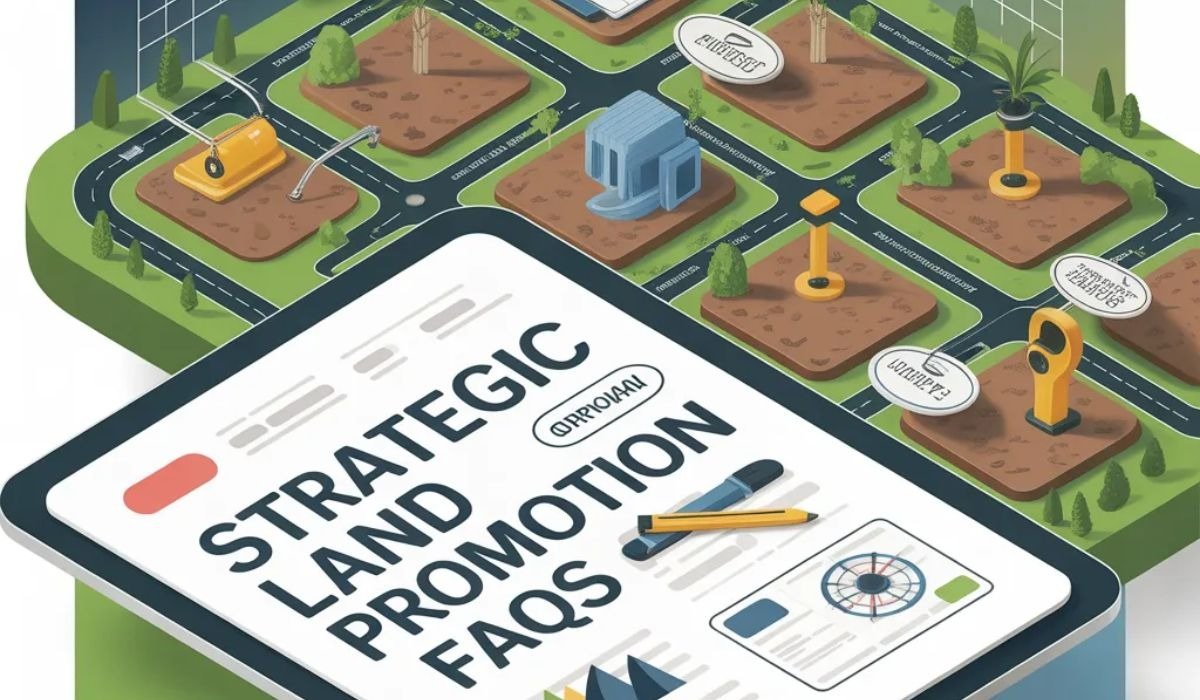
Land promotion. Promotion: Land promotion, also known as strategic land promotion, is the professional act of adding value to land by beating the planning system to secure planning permission and later selling the land to the appropriate buyer, which might be a housebuilder or commercial developer. It is a niche area of the UK property market, aimed at unlocking development potential and creating high-value enhancements for landowners.
The guide below outlines what constitutes land promotion, the mechanisms involved, its importance, and the key steps in transforming undeveloped land into a consented development opportunity.
The Fundamentals of Land Promotion
In essence, land promotion entails:
- Determining the development potential of land.
- Drawing up a scheme for delivering on a planning policy.
- Obtaining an appropriate planning permission.
- Disposing of the sold land in the open market.
Land promoters do not build homes or commercial units, unlike housebuilders or developers. Rather, they are oriented toward creating value through planning and market positioning.
Who Are Land Promotion Specialists?
Land promoters are professional companies operating nationwide in the UK that collaborate with landowners to guide each piece of land through the planning process, develop tailored strategic plans for each site, and offer fully permitted sites to the open market.
These companies combine planning consultants, designers, surveyors, and market analysts to ensure sites are policy-compliant and commercially appealing to buyers.
How Does the Land Promotion Process Work?
The promotion of land is a staged process, which usually entails:
- Preliminary Analysis: The analysis of the potential of the site planning according to its location, accessibility, constraints, and land use policies.
- Creation of Masterplan: Developing a plan that would comply with local planning goals and community concerns.
- Planning Submission: This involves preparing and filing comprehensive planning applications, along with supporting technical reports.
- Public Engagement and Negotiation: Consulting the local communities and planning authorities to respond to the queries.
- Obtaining Consent: Striving to obtain outline or complete planning permission.
- Marketing and Sales: Assigning the agreed land to the relevant developers for competitive sale.
In the process, promoters seek to mitigate risk for landowners and optimise the value to be realised on sale.
Planning Promotion Agreements: A Win‑Win Structure
The land promotion is governed by a Planning Promotion Agreement (PPA). This legal contract specifies the allocation of future sale proceeds between the promoter and the landowner upon the acquisition of planning permission.
Key features of PPAs include:
- The promoter bears the risk of the planning costs.
- The promotion is made without affecting the landowner’s ownership.
- The promoter is only entitled to a share of the proceeds if planning permission is obtained and the site is sold.
This arrangement aligns the interests of both parties and motivates the promoters to achieve the best possible outcome.
Funding and Risk in Land Promotion
The best-selling feature of land promotion is that it incurs no cost to the landowner. Promoters typically cover:
- Planning application fees.
- Promotion Agreement Legal costs.
- Technical surveys and professional consultant costs.
In case planning permission is not secured, the promoter absorbs them. The landowner does not get a financial loss, a special and appealing feature of the land promotion system.
The Role of Planning Permission in Value Creation
The value of land is significantly increased by planning permission. Unconsented greenfield land can be sold at agricultural value; however, with the approval of planning permission in place, the value can go manyfold higher.
This boost drives the economic rationale for land promotion, which is why most landowners are taking this avenue rather than simply selling the land as is.
Types of Land in Promotion Strategy
Promotion of land may be done to various types of land, which include:
- Greenfield land: Open arable land.
- Brownfield land: Once developed land that can be remediated.
- Green Belt land: The land that is under particular planning restrictions.
Each presents its own challenges and opportunities for policy planning and developer interests.
The Promoter‑Developer Relationship
Once consent is granted, the site is sold to housebuilders and commercial developers who value the investment value of a development site that has been approved.
The promoters maintain relationships with large-scale developers in the country and across the region to keep the site in the spotlight for competitive bids, typically through open-market tender.
Benefits of Strategic Land Promotion for Landowners
Landowners benefit from:
- The value of land is maximised after receiving planning permission.
- The sophisticated management of sophisticated planning systems.
- Recent financial risk reduction via promoter-funded processes.
- A well-organised sales procedure that brings in serious development purchasers.
For most landowners, this is much more lucrative and less risky than trying to obtain planning permission themselves.
Why Land Promotion Matters in the UK Planning Context
The UK planning regime is complex and unpredictable. Many local councils are under pressure to meet housing targets and drive economic growth, which strains consented development land.
Land promoters are of great importance as they:
- Introducing policy-conforming sites.
- Planning risk minimisation for developers.
- Enhancing the supply of housing and commercial land where needed.
For both landowners and the broader community, this procedure leads to responsible, sustainable development outcomes.
Conclusion
Strategic land promotion is a results-oriented, specialised process that helps landowners realise maximum value from their land by managing risk in plans and increasing marketability. In residential and mixed-use or commercial developments, it offers a clear path from unsold land to approved, marketable development sites, with low upfront expenditures and financing terms that suit all parties.
When you are a landowner who is pursuing this alternative, you will be equipped with the information on the stages of the process, the financial structures, and market dynamics so that you can make sound and profitable decisions.