

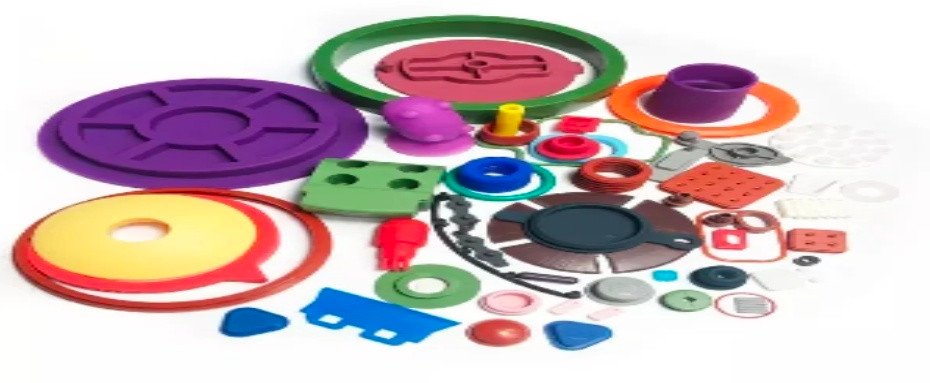
Silicone has become a cornerstone in modern manufacturing due to its flexibility, durability, and wide range of applications. For businesses and industries looking for precision and reliability, custom silicone parts offer tailored solutions that standard components cannot match. Partnering with an experienced silicone parts manufacturer ensures that every product meets exact specifications and quality standards.
1. Why Choose Silicone for Custom Parts?
Silicone is prized for its unique properties. It is heat-resistant, flexible, and chemically stable, making it suitable for a variety of environments. Unlike other materials, silicone retains its form and performance under extreme temperatures, resists UV light and ozone, and is non-toxic. These qualities make it ideal for industries ranging from automotive to medical devices.
2. Applications of Custom Silicone Parts
Custom silicone parts are used across multiple industries. In the automotive sector, silicone seals and gaskets prevent leaks and withstand high temperatures. In electronics, silicone protects delicate components from moisture and vibration. Medical devices utilize silicone for implants, tubing, and seals due to its biocompatibility. Even consumer products like kitchenware and wearables benefit from silicone’s versatility.
3. Benefits of Working with a Silicone Parts Manufacturer
Collaborating with a dedicated silicone parts manufacturer offers several advantages. These manufacturers provide precision molding, custom design, and quality control. Their expertise ensures that each component meets exact requirements, reduces production errors, and optimizes performance. Additionally, manufacturers often offer rapid prototyping to test designs before full-scale production.
4. Types of Custom Silicone Parts
Silicone components come in many forms, including:
- O-rings and seals: Provide leak-proof protection in machinery and plumbing.
- Gaskets: Ensure airtight and watertight seals.
- Tubing and hoses: Resistant to chemicals and extreme temperatures.
- Custom molded shapes: Designed to fit specialized equipment or consumer products.
Manufacturers can tailor these parts to specific sizes, colors, and hardness levels.
5. Silicone Manufacturing Techniques
Custom silicone parts are produced using techniques such as injection molding, compression molding, and transfer molding. Each method has distinct advantages:
- Injection molding: Efficient for high-volume production with consistent quality.
- Compression molding: Ideal for larger or more complex shapes.
- Transfer molding: Balances detail precision and production speed.
Selecting the right process depends on the application, quantity, and required properties of the silicone part.
6. Materials and Silicone Options
Manufacturers offer a variety of silicone materials to match different needs. Medical-grade silicone is biocompatible and FDA-approved, making it safe for implants and food contact. High-temperature silicone withstands automotive and industrial environments. Platinum-cured silicone ensures purity and stability, while peroxide-cured silicone offers durability for rugged applications. Choosing the right material is critical for product longevity and safety.
7. Customization for Specific Requirements
The core advantage of custom silicone parts is their adaptability. Manufacturers can adjust thickness, durometer (hardness), color, and shape to suit client specifications. They can also integrate unique features like ridges, holes, or reinforced areas. This level of customization ensures that the silicone part performs optimally in its intended application.
8. Quality Control and Standards
Reputable silicone parts manufacturers follow strict quality control measures. This includes material testing, dimensional accuracy checks, and performance testing under extreme conditions. Compliance with international standards such as ISO 9001 ensures reliability and consistency. High-quality manufacturers also provide certifications for medical or food-grade silicone when required.
9. Cost-Effective Solutions
Although custom silicone parts may seem expensive initially, they often reduce long-term costs. Durable and resistant to wear and tear, silicone components require less frequent replacement. Custom designs improve efficiency, reduce downtime, and minimize material waste. Manufacturers can also optimize production methods to balance quality and cost for high-volume orders.
10. Partnering with a Reliable Manufacturer
Finding the right silicone parts manufacturer is key to success. Look for companies with extensive experience, advanced production facilities, and a strong track record of delivering high-quality products. A reliable manufacturer will offer guidance on material selection, design optimization, and prototyping. They also provide after-sales support to ensure components meet performance expectations.
Conclusion
Custom silicone parts are essential in modern manufacturing, offering flexibility, durability, and precision. By partnering with a skilled silicone parts manufacturer, businesses can access tailored solutions that enhance performance and reliability across industries. From medical devices to automotive applications, the right silicone component can make a significant difference in quality and efficiency. Choosing a trusted manufacturer ensures products are built to specification, tested for performance, and delivered with consistency—making silicone an invaluable material for innovation and functionality.