

At some point, every creator runs into the same limitation.
An idea exists, but the format restricts it.
You might imagine a concept as a cinematic portrait, then realize it would work better as an illustration. Or you start with a realistic image and later want to adapt it into something stylized for social media. Each shift requires rebuilding the visual from scratch.
That friction slows down creativity.
Because every format demands its own execution, ideas often stay locked within one version instead of evolving across multiple styles.
When Style Stops Being a Constraint
What changes when identity is no longer tied to a single format?
The answer is not just efficiency. It is creative freedom.
Instead of choosing between realism and stylization, creators can move between both. A face can exist as a photograph, then as a painting, then as a rendered visual, all while remaining recognizable.
This changes how ideas are explored.
Rather than committing early to a specific direction, creators can test multiple visual interpretations of the same concept.
The Shift From Format Based Thinking to Identity Based Thinking
Traditional workflows are format driven.
You decide the style first, then build everything around it.
But when identity becomes adaptable, the process reverses.
The idea starts with the subject, not the format. From there, it can be extended into different visual styles without losing coherence.
This shift is subtle, but it has a major impact.
It allows creators to think in terms of possibilities rather than limitations.
Exploring Variations Without Rebuilding
One of the biggest barriers to experimentation has always been effort.
Trying a new direction often means starting over.
A different style requires:
- New assets
- New composition
- New execution
That discourages exploration.
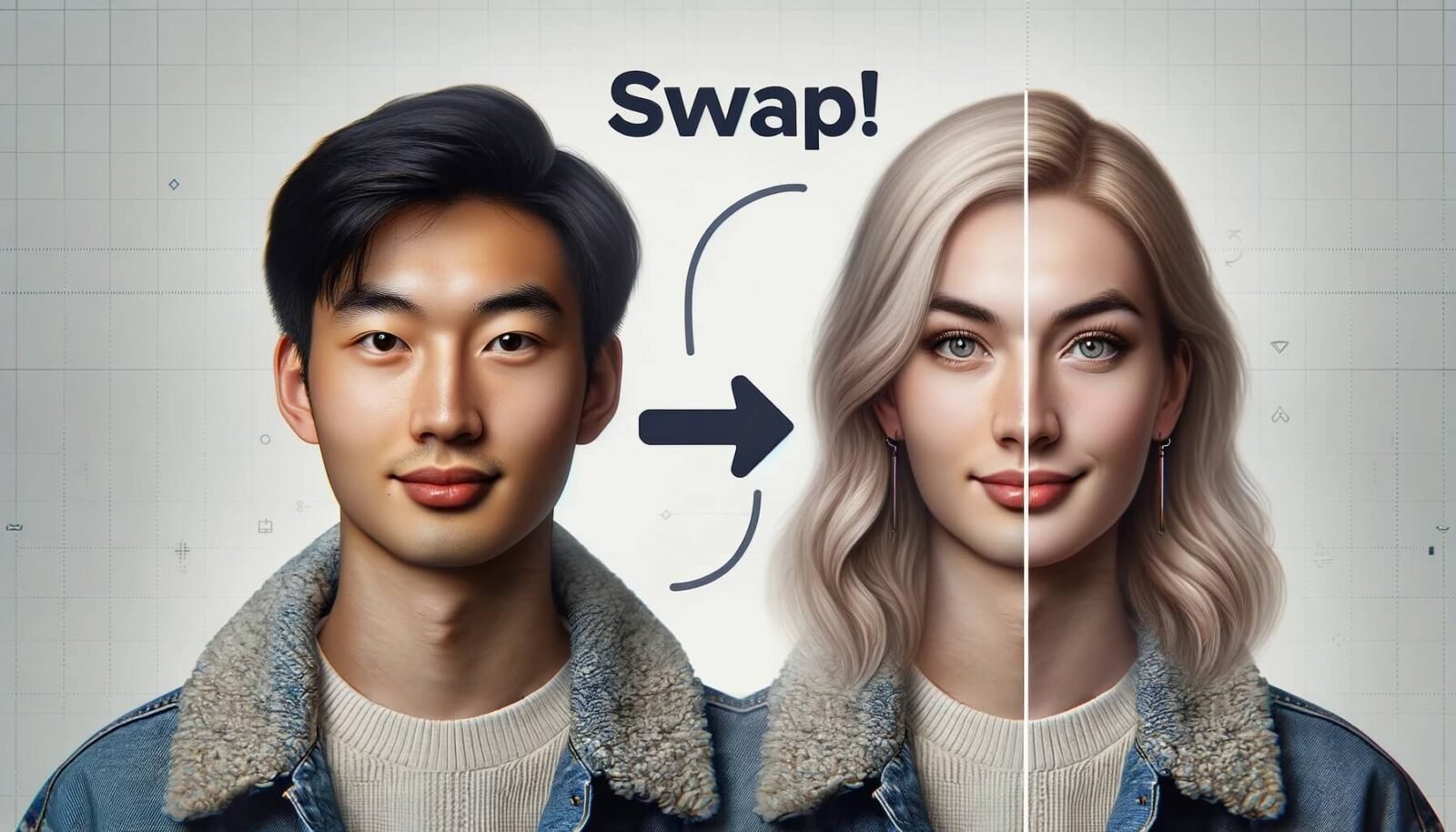
With face swap workflows, the same base visual can be adapted across styles. Identity remains stable while the surrounding aesthetic changes.
In practice, when working with Face Swap, creators can reinterpret a subject across multiple visual formats without rebuilding each version from scratch. Within the Higgsfield, this creates a more fluid approach to visual experimentation.
What This Unlocks for Creative Work
The ability to move identity across styles opens up new possibilities.
For example:
- A product campaign can exist as both realistic photography and stylized artwork
- A character can appear across multiple creative directions without losing recognition
- A concept can be tested visually before committing to a final style
This flexibility changes how decisions are made.
Instead of guessing what might work, creators can see it.
Consistency Across Creative Directions
One of the challenges with working across styles is maintaining consistency.
When visuals are created independently, identity often shifts.
Small differences in facial structure, tone, or expression can make outputs feel disconnected.
Face swap workflows address this by keeping identity consistent across variations.
Higgsfield Face Swap ensures that:
- Facial features remain stable
- Expressions stay aligned
- Identity is recognizable across formats
This allows creators to experiment without losing continuity.
From Static Outputs to Adaptive Visual Systems
Traditionally, visuals are treated as final outputs.
Once created, they are fixed.
Cross style face swap changes that.
Images become adaptable.
A single visual can evolve into multiple versions, each suited for a different purpose.
This turns content into a system rather than a collection of individual assets.
Creative Speed Without Creative Compromise
Speed has often come at the cost of quality.
Quick outputs usually require trade offs.
What is changing now is the balance.
Higgsfield Face Swap enables faster creation while maintaining visual integrity. Identity is preserved, even as style changes.
This makes it easier to explore ideas without sacrificing quality.
Why This Matters for Modern Content
Content is no longer created for a single platform.
It moves across:
- Social media
- Ads
- Digital campaigns
- Brand storytelling
Each platform favors different styles.
The ability to adapt identity across these styles makes content more versatile.
Within workflows on the Higgsfield, this adaptability becomes easier to manage.
Expanding the Range of What Is Possible
When identity can move freely across styles, the range of creative possibilities expands.
Ideas that once felt too complex or time consuming become more accessible.
Creators can:
- Explore multiple directions quickly
- Refine concepts visually
- Build more cohesive campaigns
This changes not just how content is created, but how it is imagined.
The Psychological Shift for Creators
There is also a mental shift.
When the cost of experimentation is high, creators tend to play it safe.
When experimentation becomes easier, they explore more.
Face swap technology lowers the barrier to trying new ideas.
Higgsfield Face Swap supports this by making adaptation faster and more reliable.
This encourages more creative risk taking.
From Possibility to Practical Use
What starts as a creative advantage quickly becomes practical.
Once workflows adapt, this capability is used not just for experimentation, but for production.
Campaigns, content series, and visual systems begin to rely on it.
Higgsfield Face Swap fits into this transition by supporting both exploration and execution.
Conclusion
The ability to swap any face into any art style changes more than just the output.
It changes the process.
Instead of being limited by format, creators can move freely between styles while maintaining identity.
This unlocks new possibilities, reduces friction, and allows ideas to evolve more naturally.
Higgsfield Face Swap reflects this shift toward more flexible and adaptive creative workflows.
As content continues to expand across formats, this kind of capability will become increasingly important.