

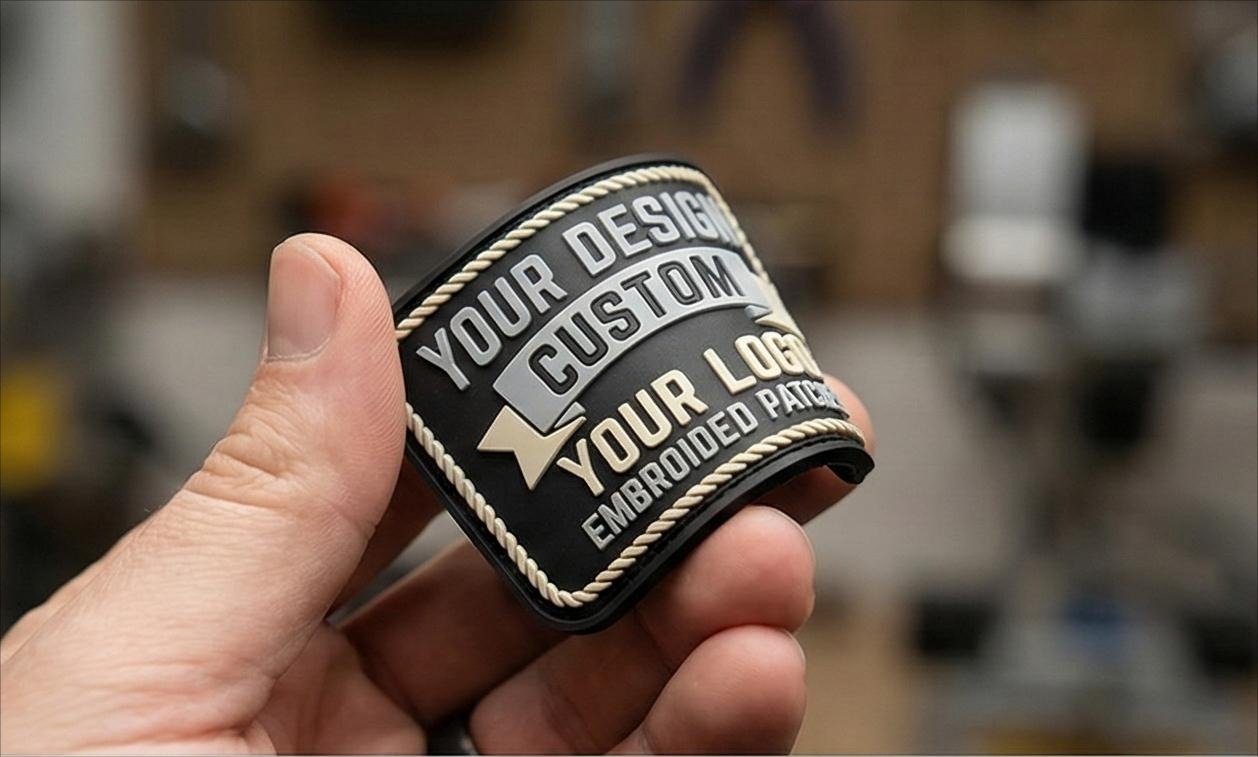
In demanding environments where visibility, resilience, and identity matter most, tactical units rely on every element of their gear to perform without fail. From uniforms and armor to insignias and morale patches, each item must withstand extreme weather, rough terrain, and constant wear. Among these, PVC patches have earned the trust of military, police, and rescue teams worldwide for their superior toughness and versatility.
Unlike traditional embroidered or woven patches, PVC (polyvinyl chloride) patches offer exceptional durability and design precision. Their weatherproof, flexible surface resists mud, water, and UV damage, making them ideal for outdoor missions and harsh operations. They don’t fray, fade, or lose shape — even after extended field use.
Understanding how to make PVC patches provides insight into why they outperform other materials. Each patch is molded from high-quality polymer and cured under controlled temperatures to create a resilient, 3D insignia that endures heat, abrasion, and moisture. This blend of craftsmanship and science ensures that tactical patches are not only symbols of identity and pride but also essential tools of professionalism and endurance in the field.
What Makes PVC Patches Different from Traditional Fabric Patches
PVC patches stand out because of their material composition and performance under pressure. While traditional embroidered or woven patches use threads and fabrics prone to fraying, fading, and water absorption, PVC (polyvinyl chloride) offers a synthetic, non-porous surface that resists these common failures. The result is a patch that retains its shape and color long after cloth-based versions have deteriorated.
The 3D molding process used in PVC manufacturing allows for high-definition detailing, enabling logos, text, and symbols to appear crisp and vibrant. This precision is crucial for tactical identification — where clarity can mean the difference between recognition and confusion in fast-moving operations. Additionally, PVC patches are flexible yet strong, maintaining performance across temperature extremes without cracking or stretching.
In short, the difference lies in engineering and purpose: embroidered patches convey tradition, but PVC patches deliver performance. Their combination of flexibility, durability, and design accuracy makes them the preferred choice for teams that operate beyond controlled environments.
The Science Behind PVC Durability in Extreme Conditions
The strength of PVC patches comes from the chemical and structural stability of polyvinyl chloride, a thermoplastic polymer engineered for endurance. This material forms a dense molecular bond that resists UV light, moisture, and abrasion — key challenges in tactical and outdoor environments. Unlike organic fabrics, PVC doesn’t absorb water or expand when wet, preventing mildew and distortion.
Laboratory testing and field experience show that PVC maintains its physical integrity between -20°C and +60°C, offering dependable performance in both desert heat and icy terrain. Its surface is naturally resistant to oil, mud, and cleaning chemicals, ensuring easy maintenance even in rugged conditions. The polymer’s elasticity also allows patches to flex with the wearer’s movement, reducing the risk of cracking or tearing.
For tactical professionals, these scientific advantages translate into longer service life and mission reliability. Whether exposed to rain, dust, or friction from gear, PVC patches keep their structure and visibility intact — embodying the same resilience that tactical units demand from every piece of their equipment.
Why Tactical Units Choose PVC for Identification and Morale Patches
For tactical teams, gear is more than equipment — it’s identity, communication, and pride. PVC patches play a vital role in this system. They display unit insignias, rank symbols, or mission emblems that allow instant recognition in the field. Because PVC can reproduce intricate designs in vivid color, it ensures clear visibility even under low light or poor weather conditions.
Beyond identification, morale patches crafted from PVC boost unity and motivation. They often feature creative or humorous designs that express a team’s personality and camaraderie. In demanding operations, these small details strengthen group identity and mental resilience.
PVC’s durability also ensures these emblems remain intact during rough missions, from tactical drills to live operations. Whether attached via Velcro or sewn directly onto uniforms, they withstand frequent handling and environmental stress. This combination of practical utility and emotional value explains why tactical units worldwide favor PVC patches as symbols of reliability and esprit de corps.
How PVC Patches Perform in Harsh Field Environments
Tactical units often face extreme conditions — sweltering heat, heavy rain, desert dust, and freezing winds. In such settings, every component of their gear must endure without failure. PVC patches excel because their material properties are specifically engineered for these challenges.
Unlike fabric or rubber alternatives, PVC is non-absorbent and waterproof. When mud or dirt accumulates, it can simply be wiped clean without compromising appearance or adhesion. The color pigments used in PVC manufacturing are UV-stable, meaning they resist fading from prolonged sun exposure — a critical feature for soldiers, rescue teams, and outdoor professionals.
Additionally, PVC’s surface doesn’t crack or peel, even when exposed to repeated bending or friction against body armor and backpacks. This resilience is why law enforcement, military, airsoft, and emergency responders continue to trust PVC patches. Their reliability under pressure mirrors the endurance required from the teams who wear them.
The Process Behind Creating Durable PVC Patches
To appreciate the strength and design precision of these patches, it helps to understand how to make PVC patches from the ground up. The process begins with digital design — converting a 2D emblem into a 3D mold layout. This mold defines every contour, line, and texture that will appear on the final patch.
Next comes the molding and coloring stage, where liquid PVC is injected into the mold in multiple layers. Each color section is cured separately at controlled temperatures to form raised, detailed surfaces. Once the patch body is complete, it undergoes a curing cycle to harden the polymer and lock in colors permanently.
Finally, the patch backing — often Velcro, adhesive, or sew-on fabric — is attached. Every finished piece undergoes quality checks for flexibility, adhesion, and surface finish. This methodical production process ensures every patch meets tactical-grade durability standards, capable of enduring moisture, abrasion, and heat without losing form or clarity.
Comparing PVC to Alternative Materials for Field Use
When selecting tactical identification gear, material choice determines long-term performance. PVC patches consistently outperform alternatives like silicone, rubber, leather, and embroidered patches in rugged environments.
Silicone patches share flexibility but lack the structural density that gives PVC its resistance to tearing and heat. Rubber patches can degrade under UV exposure, becoming brittle over time. Leather patches, while stylish, absorb water and require high maintenance — not ideal for outdoor or combat conditions. Meanwhile, embroidered patches fray easily, absorb moisture, and lose thread integrity after repeated washing or field use.
PVC, by contrast, provides a unique balance of strength, flexibility, and detail. Its molded design allows vibrant 3D textures, while its synthetic composition ensures endurance in any climate. This makes PVC the optimal material for teams that prioritize longevity and precision without sacrificing design quality.
Maintenance and Longevity Tips for Tactical PVC Patches
Although PVC patches are inherently tough, proper care maximizes their lifespan. Regular cleaning with mild soap and water removes dirt and grime without damaging the surface. A soft brush or cloth can be used to restore shine and remove debris from detailed areas.
Avoid direct flame or exposure to extreme chemical solvents, as these can weaken the adhesive or discolor pigments. When storing uniforms or gear, keep PVC patches in cool, dry conditions to prevent unnecessary stress on the backing material.
Tactical professionals often rotate multiple uniforms, so ensuring patches are securely fastened — whether via Velcro or stitching — prevents loss during movement. With simple maintenance, a quality PVC patch can retain its clarity and flexibility for many years, maintaining both visual appeal and professional integrity.
The Future of PVC Patches in Tactical Gear Design
The evolution of PVC technology is shaping the future of tactical identification. Manufacturers are exploring eco-friendly PVC compounds made with reduced chemical content and recyclable materials to align with environmental standards.
Emerging innovations include glow-in-the-dark pigments, infrared-reflective layers, and even RFID or NFC integrations for smart identification in advanced tactical systems. These next-generation designs allow teams to combine tradition with cutting-edge functionality — transforming patches from static insignias into interactive components of mission gear.
As customization capabilities expand, PVC patches are likely to become even more versatile, supporting mission-specific designs, quick replacements, and integration with wearable tech. The adaptability and innovation of PVC ensure its continued dominance in the tactical gear industry.
Conclusion
PVC patches have proven to be more than decorative elements — they are symbols of endurance, unity, and reliability in the world’s toughest conditions. Their superior weather resistance, flexibility, and precision detailing have made them indispensable for military, police, and rescue teams worldwide.
Understanding how to make PVC patches reveals why they consistently outperform traditional alternatives: each patch is engineered with durability, detail, and performance in mind. From the factory mold to the battlefield, they endure rain, heat, and abrasion without losing form or color.
Interestingly, the same qualities that make PVC patches vital for tactical units also make them ideal as promotional products for businesses. Their customizable design, long lifespan, and bold visual appeal allow brands to showcase their identity in a lasting and professional way. Whether used in corporate events, team branding, or client giveaways, PVC patches combine durability with design — ensuring the message stands out and endures.
As tactical environments and branding needs evolve, the demand for reliable, customizable, and innovative insignias will only grow. PVC patches will continue to serve as both identifiers and marketing tools — a perfect fusion of craftsmanship, science, and resilience that stands the test of every mission and marketplace.