

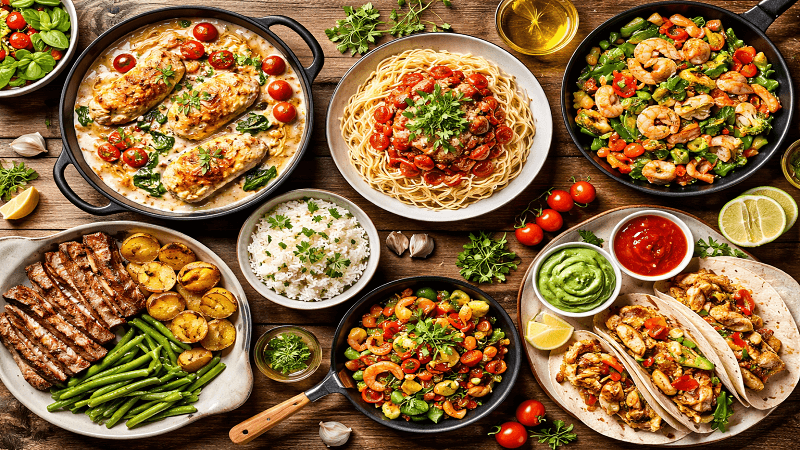
Recipes heartumental is a concept that focuses on cooking with emotion, care, and personal meaning. These are not recipes written only to save time or impress guests. Instead, recipes heartumental are about making food that connects deeply with people. The idea behind recipes heartumental is simple: food should nourish the heart as much as it nourishes the body.
In everyday life, people often cook without thinking. They follow instructions quickly and move on. Recipes heartumental slow this process down. They invite the cook to feel present. Whether it is a childhood dish, a comfort meal after a hard day, or a family recipe passed down for generations, recipes heartumental turn ordinary food into something memorable. Many people describe recipes heartumental as “food with a story.” Each recipe carries emotions, memories, and intention. This is why two people can cook the same dish, yet one feels warmer and more satisfying. The difference is not ingredients. It is care.
A simple way to understand recipes heartumental is through comparison:
| Focus Area | Traditional Recipes | Recipes Heartumental |
|---|---|---|
| Purpose | Feeding quickly | Feeding with meaning |
| Process | Step-based | Emotion-based |
| Flexibility | Fixed | Personal |
| Outcome | Taste-focused | Feeling-focused |
Recipes heartumental are becoming popular because people want food that feels real again. They want comfort, not perfection.
The Philosophy Behind Recipes Heartumental
The philosophy of recipes heartumental is rooted in mindfulness and emotional connection. At its core, it believes that cooking is not just a task. It is an act of care. When someone cooks with intention, the food carries that energy to the person eating it. Recipes heartumental encourage slowing down. This does not mean complicated cooking. It means being present. Smelling ingredients, tasting often, and enjoying the process. Many cultures around the world already follow this idea without naming it. Home-cooked meals shared with family are classic examples of recipes heartumental. Another key idea is emotional nourishment. Food affects mood. Warm meals bring comfort. Familiar flavors bring peace. Recipes heartumental use this natural connection to support mental and emotional well-being.
A food psychologist once explained it simply:
“People don’t remember recipes, they remember how a meal made them feel.”
This philosophy also respects imperfection. Recipes heartumental do not require perfect plating or exact measurements. A little extra spice or a missing ingredient does not ruin the dish. In fact, these changes often make the recipe more personal.
Key Characteristics of Recipes Heartumental
Recipes heartumental share a few common characteristics that make them different from standard recipes. These qualities are not strict rules, but gentle guidelines. First, ingredients are usually simple. Recipes heartumental do not rely on rare or expensive items. Instead, they use familiar foods that feel comforting. Potatoes, rice, vegetables, and simple spices are common.
Second, these recipes are flexible. Measurements are often adjusted based on taste and feeling. This allows the cook to trust their instincts. Third, storytelling is important. Recipes heartumental often come with memories. A note like “my grandmother made this on rainy days” adds emotional depth to the dish.
Here are some common features seen in recipes heartumental:
- Comfort-focused flavors
- Easy preparation
- Emotional or cultural background
- Personal variations
These characteristics make recipes heartumental easy for beginners and meaningful for experienced cooks.
Popular Types of Recipes Heartumental
There are many forms of recipes heartumental, and they appear in everyday kitchens around the world. Comfort food is one of the most common types. These meals are often warm, filling, and familiar. Examples include soups, stews, baked dishes, and slow-cooked meals. Family recipes also fall under recipes heartumental. These dishes are passed down through generations. They may not be written perfectly, but they hold deep value. Cooking them keeps family traditions alive.
Healthy recipes heartumental are also becoming popular. These focus on nourishing both body and mind. Simple home-cooked meals made with fresh ingredients often feel more satisfying than processed foods. A small case study helps explain this trend. A home cook shared online that cooking her mother’s lentil soup every Sunday helped her feel calm and connected during stressful weeks. The recipe itself was simple, but the emotional routine made it heartumental.
How to Create Your Own Recipes Heartumental at Home
Creating recipes heartumental does not require special skills. Anyone can do it. The first step is intention. Ask yourself why you are cooking. Is it to comfort someone? To relax? To celebrate? This purpose shapes the meal.The second step is choosing meaningful ingredients. These might be foods you grew up with or items that feel familiar and safe. Freshness matters, but emotion matters more. While cooking, take your time. Taste as you go. Adjust seasoning slowly. This process turns a regular recipe into a heartumental one.
Here is a simple approach:
| Step | Action |
|---|---|
| Intention | Decide the feeling you want |
| Ingredients | Choose familiar foods |
| Cooking | Slow and mindful |
| Sharing | Eat with presence |
Adding a small personal note to your recipe also helps. Writing why you love the dish keeps the heartumental spirit alive.
Benefits of Following Recipes Heartumental
Recipes heartumental offer benefits beyond taste. Emotionally, they help reduce stress. Cooking slowly and mindfully can be calming. Many people find it therapeutic. Socially, these recipes strengthen relationships. Sharing meaningful meals builds connection. Family dinners become more than just eating together. Physically, recipes heartumental often lead to healthier choices. Home-cooked meals usually contain fewer processed ingredients.
Some benefits include:
- Better emotional well-being
- Stronger family bonds
- Improved relationship with food
People who adopt recipes heartumental often say they enjoy cooking more and feel less pressure to be perfect.
Recipes Heartumental and Modern Food Trends
Modern food trends focus heavily on speed and convenience. Recipes heartumental move in the opposite direction. This contrast is exactly why they are gaining attention. Social media has played a role. People now share not just recipes, but stories behind them. Posts about comfort meals, slow cooking, and family traditions are widely appreciated.
Mental health awareness has also increased interest in recipes heartumental. Food is now seen as part of self-care. Cooking becomes a way to slow down in a fast world. Search trends show rising interest in emotional cooking, mindful eating, and comfort food. Recipes heartumental fit naturally into this shift.
Common Questions About Recipes Heartumental
Many people wonder if recipes heartumental are difficult. The answer is no. They are often easier than traditional recipes. Others ask if recipes heartumental must be homemade. While homemade food fits best, even simple meals can become heartumental if prepared with care.
Another common question is whether these recipes are healthy. While not all recipes heartumental are low-calorie, they encourage balance and awareness, which often leads to healthier habits. Recipes heartumental are not about rules. They are about feeling. Anyone can start by cooking one simple meal with intention.
Conclusion
Recipes heartumental remind us that food is more than fuel. It is memory, comfort, and connection. In a busy world, these recipes bring warmth back into the kitchen. By cooking with heart, every meal becomes meaningful.
Also Read: Expert Gaming TheLaptopAdviser