

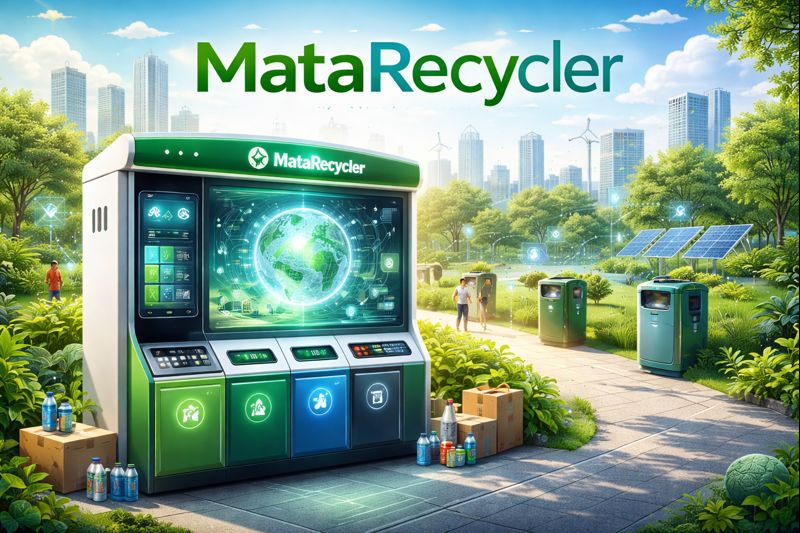
In an era where environmental sustainability is becoming a global priority, the need for efficient and intelligent recycling solutions has never been greater. MataRecycler has emerged as a promising innovation in the recycling sector, offering a technology-driven approach to managing waste, enhancing resource recovery, and promoting eco-friendly practices. This article delves deep into MataRecycler, its core functionalities, benefits, technologies, and its role in shaping a sustainable future.
What is MataRecycler?
MataRecycler is a comprehensive recycling solution that combines smart technology with practical waste management strategies. Unlike traditional recycling methods that rely heavily on manual sorting and collection, MataRecycler employs a range of advanced tools, including artificial intelligence and Internet of Things (IoT) systems, to streamline the recycling process. It is designed to optimize the separation of materials, reduce contamination, and maximize the recovery of valuable resources from waste streams. By integrating technology with sustainability practices, MataRecycler allows cities, businesses, and households to recycle more effectively and responsibly.
How MataRecycler Works
The core functionality of MataRecycler revolves around intelligent waste sorting and data-driven management. The system typically starts with smart collection points or bins equipped with sensors capable of identifying different types of materials. As waste is deposited, MataRecycler’s AI algorithms classify items based on their material composition, whether they are plastics, metals, glass, or paper. This precise identification helps prevent contamination, which is one of the most significant challenges in conventional recycling systems.
Once materials are classified, the system either directs them to appropriate processing streams or provides feedback to collection operators for optimized handling. MataRecycler also includes real-time monitoring dashboards that track recycling rates, contamination levels, and the volume of materials processed. These insights allow municipalities and businesses to make informed decisions, improve operational efficiency, and reduce costs associated with waste management.
Key Technologies Behind MataRecycler
MataRecycler’s efficiency is powered by a combination of advanced technologies:
- Artificial Intelligence (AI) – AI models analyze waste items for material type and quality, enabling faster and more accurate sorting. This reduces errors and ensures high-quality recyclable output.
- Internet of Things (IoT) – Sensors integrated into bins and collection points monitor waste levels, contamination, and user activity. These devices communicate with central systems to streamline collection schedules and reduce unnecessary trips.
- Data Analytics – Comprehensive dashboards collect and analyze data to optimize recycling operations, track environmental impact, and provide actionable insights for policy and strategy development.
- Automation and Robotics – In some setups, MataRecycler incorporates automated systems that physically sort materials, further reducing reliance on human labor and increasing operational efficiency.
These technologies collectively make MataRecycler a robust solution for modern waste management challenges.
Benefits of MataRecycler
MataRecycler provides numerous advantages for environmental, operational, and social outcomes.
Environmental Benefits
MataRecycler contributes significantly to environmental sustainability by improving recycling efficiency and reducing landfill waste. With precise material identification and sorting, the system minimizes contamination and increases the quality of recycled materials. This ensures that a higher proportion of waste is recovered and reused, conserving natural resources and reducing the need for virgin materials. Additionally, optimized collection routes and smart scheduling reduce fuel consumption and greenhouse gas emissions, supporting broader climate goals.
Operational Benefits
For municipalities and private waste management companies, MataRecycler offers cost-saving opportunities. The use of AI and IoT technology reduces manual labor and minimizes errors in sorting, which can be costly when handled traditionally. Data-driven insights help plan collection routes more efficiently, decreasing operational expenses. Businesses can also benefit by ensuring that recyclable materials meet market standards, increasing revenue potential from selling processed recyclables.
Social and Engagement Benefits
MataRecycler is not just a technological tool; it is also a platform for community engagement. Many implementations include mobile applications that educate users on proper recycling practices, provide gamified rewards for participation, and foster a culture of sustainability. By involving citizens and employees actively, MataRecycler encourages responsible waste behavior and builds awareness about environmental conservation.
Applications of MataRecycler
MataRecycler has a wide range of applications across multiple sectors. In urban environments, it is used in smart city initiatives to manage household and commercial waste efficiently. Businesses use MataRecycler to comply with environmental regulations, improve sustainability credentials, and optimize waste handling processes. Educational institutions and public facilities employ MataRecycler to teach students and visitors about sustainable waste practices, combining practical learning with technological innovation.
Why MataRecycler is the Future of Recycling
The traditional recycling model is often plagued by inefficiencies such as contamination, improper sorting, and lack of accountability. MataRecycler addresses these issues by integrating technology, data analysis, and automation into the recycling process. Its ability to monitor, analyze, and optimize every stage of waste handling makes it a critical tool for achieving sustainability goals. As governments and organizations worldwide increase their focus on circular economies and resource efficiency, MataRecycler stands out as a scalable, adaptable, and intelligent solution that meets the needs of both present and future generations.
Challenges and Considerations
While MataRecycler offers numerous advantages, implementing such a system requires careful planning and investment. Initial setup costs for technology and infrastructure can be significant. Additionally, user education and engagement are crucial to ensure proper use and maximum effectiveness. Ongoing maintenance, software updates, and system calibration are also necessary to sustain performance over time. Despite these challenges, the long-term benefits of increased recycling efficiency, environmental impact reduction, and operational savings outweigh the initial considerations.
Integrating MataRecycler into Existing Systems
One of the strengths of MataRecycler is its flexibility. The system can be integrated with existing waste management operations, enhancing rather than replacing current processes. Cities can upgrade their collection networks with smart bins and monitoring devices, while businesses can incorporate MataRecycler into their facility management systems. Integration ensures a smooth transition, reduces disruption, and maximizes the value of existing infrastructure.
The Role of Data in MataRecycler
Data is at the heart of MataRecycler’s effectiveness. By collecting information on waste types, volume, and contamination, the system provides insights that guide decision-making and policy formulation. Data analytics can reveal patterns in recycling behavior, identify areas with low participation, and highlight opportunities for process improvements. This approach transforms waste management from a reactive activity into a proactive, evidence-based operation, contributing to more sustainable cities and organizations.
Future Prospects of MataRecycler
Looking ahead, MataRecycler has the potential to evolve further with advancements in AI, IoT, and robotics. Enhanced machine learning algorithms could improve material identification for more complex waste streams, while robotic systems could handle a wider variety of materials with minimal human intervention. Integration with blockchain technology might also create transparent recycling records, ensuring accountability and trust in recycling processes. As sustainability continues to gain global momentum, MataRecycler is poised to play a pivotal role in shaping the future of waste management.
Conclusion
MataRecycler represents a transformative approach to recycling, combining advanced technology, data-driven insights, and community engagement to improve efficiency and sustainability. By addressing the challenges of contamination, inefficient sorting, and limited accountability, MataRecycler helps cities, businesses, and individuals make meaningful contributions to environmental conservation. Its adaptability, scalability, and intelligent design make it a valuable solution in the ongoing quest for a cleaner, greener, and more sustainable world.
FAQs About MataRecycler
1. What is MataRecycler?
MataRecycler is a smart recycling system that uses technology like AI and IoT to optimize waste sorting and resource recovery.
2. How does MataRecycler improve recycling?
It increases accuracy in sorting materials, reduces contamination, and enhances the quality of recycled outputs.
3. Who can use MataRecycler?
Cities, businesses, schools, and public facilities can implement MataRecycler for more efficient and sustainable waste management.
4. What technologies are used in MataRecycler?
The system relies on artificial intelligence, IoT sensors, data analytics, and sometimes robotic sorting mechanisms.
5. Why is MataRecycler important for sustainability?
By improving recycling efficiency and reducing landfill waste, MataRecycler supports resource conservation and lowers environmental impact.
Read More: Simpciry